Chipboard Thickness vs. Caliper: What Packaging Buyers Need to Know
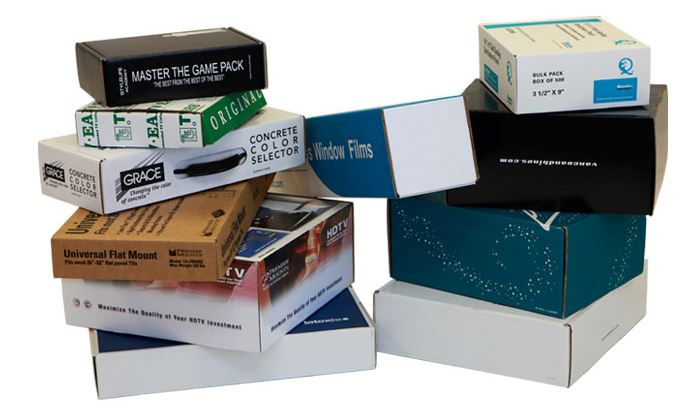
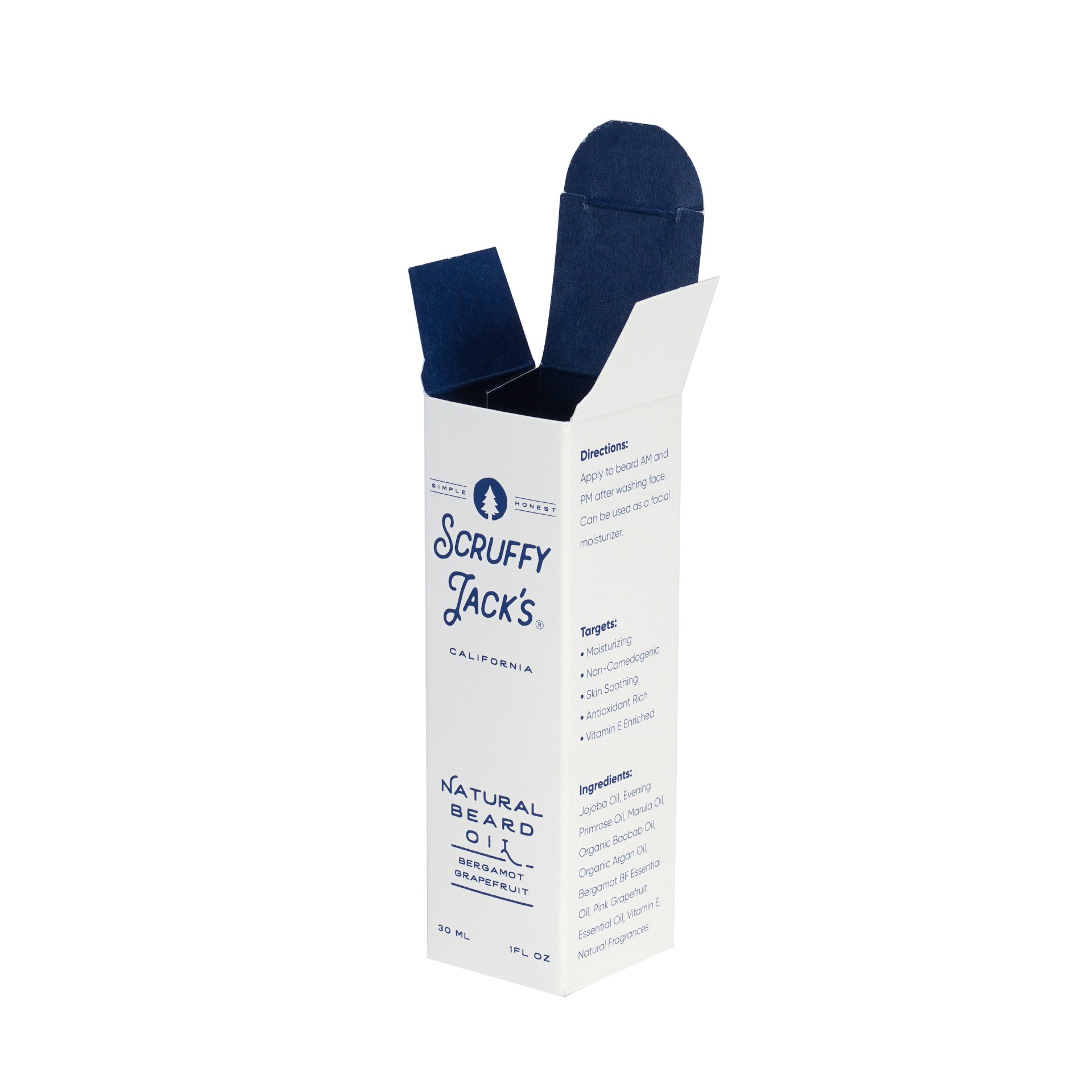
When you’re sourcing chipboard folding cartons, one of the first specifications you’ll encounter is board thickness, also called caliper. Understanding the difference—and knowing how caliper affects carton performance—can help you select the right paperboard for your packaging application.
What is chipboard caliper?
Caliper is the thickness of the paperboard used to manufacture a folding carton. It is commonly measured in points, mils, inches, or millimeters.
For example, an 18-point chipboard has a nominal caliper of approximately 0.018 inch, or 0.46 mm.
Common folding carton board thicknesses include:
| Caliper | Approx. Thickness | Typical Considerations |
| 12 point | 0.012″ / 0.30 mm | Lightweight cartons and smaller products |
| 16 point | 0.016″ / 0.41 mm | Light-to-medium duty packaging |
| 18 point | 0.018″ / 0.46 mm | Common general-purpose carton applications |
| 20 point | 0.020″ / 0.51 mm | Added stiffness and structure |
| 24 point | 0.024″ / 0.61 mm | More substantial cartons and premium packaging |
| 28 point | 0.028″ / 0.71 mm | Heavy-duty or highly rigid applications |
| 32 point | 0.032″ / 0.81 mm | Specialty and very rigid carton applications |
These are useful reference points, but the best caliper for your carton depends on more than the thickness alone.
Why chipboard thickness matters when buying folding cartons
For a packaging buyer, caliper is important because it affects both the look and performance of the finished carton.
A thicker board can provide greater stiffness, a more substantial feel, and additional protection for the packaged product. A thinner board can reduce material usage and shipping weight while still providing adequate performance for lighter products.
The right choice depends on factors such as:
- Product weight
- Product dimensions
- Required carton strength
- Carton size and design
- Folding and gluing requirements
- Printing and finishing
- Shipping and distribution conditions
- Desired shelf appearance
- Packaging budget
For example, a small carton holding a lightweight cosmetic product may not require the same board thickness as a large carton containing a heavier product.
Does a thicker chipboard carton mean a better carton?
Not necessarily.
It can be tempting to specify a thicker board when you want a stronger or more premium package. However, thickness is only one part of paperboard performance.
The board’s basis weight, density, stiffness, fiber composition, moisture content, coating, and overall construction can all affect how a folding carton performs.
This means that two boards with the same nominal caliper can behave differently during manufacturing and use.
For packaging buyers, the better question isn’t simply:
“What’s the thickest chipboard available?”
Instead, consider:
“What board specification provides the performance my product and carton design require?”
That approach can help prevent unnecessary material costs while ensuring the finished package has the strength, appearance, and machinability you need.
What does “point” mean in folding carton packaging?
When a packaging supplier says a carton is made from 18-point, 20-point, or 24-point board, the “point” refers to the approximate thickness of the paperboard.
One point is approximately 0.001 inch.
Therefore:
- 18 point ≈ 0.018 inch
- 20 point ≈ 0.020 inch
- 24 point ≈ 0.024 inch
The term mil is also used to describe one-thousandth of an inch, so 20-point board is approximately 20 mils thick.
However, buyers should always confirm the exact specification and measurement method with their packaging supplier rather than assuming that a nominal point value represents an exact measurement everywhere on the sheet.
Choosing the right chipboard thickness for your folding carton
The best chipboard thickness for a folding carton depends on the complete packaging specification.
If you’re developing a new carton, as your packaging supplier or carton manufacturer, we can help evaluate the combination of board grade, caliper, basis weight, carton dimensions, structure, printing, and finishing requirements.
It’s also important to test the actual carton rather than selecting a board based solely on thickness. A production sample or prototype can reveal how the board performs during die cutting, scoring, folding, gluing, packing, shipping, and handling.
For packaging buyers, the goal is to find the most cost-effective board specification that delivers the required carton performance—not simply the highest caliper.
Key takeaway:
Chipboard caliper is an important specification when purchasing folding cartons, but it shouldn’t be considered in isolation. Thickness affects stiffness, appearance, converting, and material usage, while the overall board construction determines how the carton performs.
Understanding caliper—and communicating your product, carton design, and performance requirements to your packaging supplier—can help you select the right folding carton board thickness for your application.
Contact Paramount Container & Supply for a free quote on chipboard folding cartons today!