What Is Flexo Printing? A Simple Guide for Corrugated Boxes
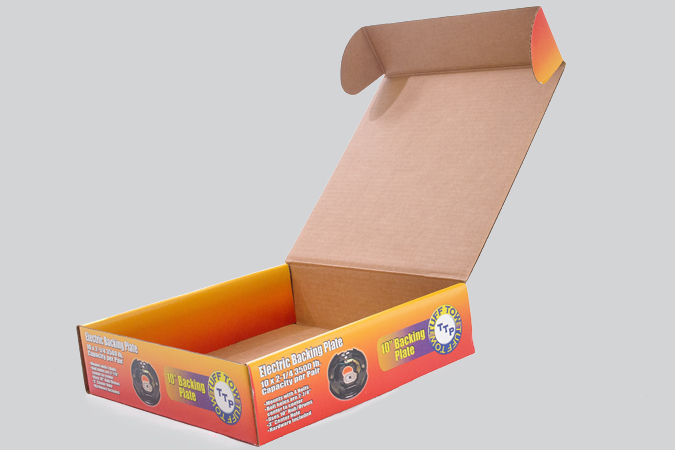
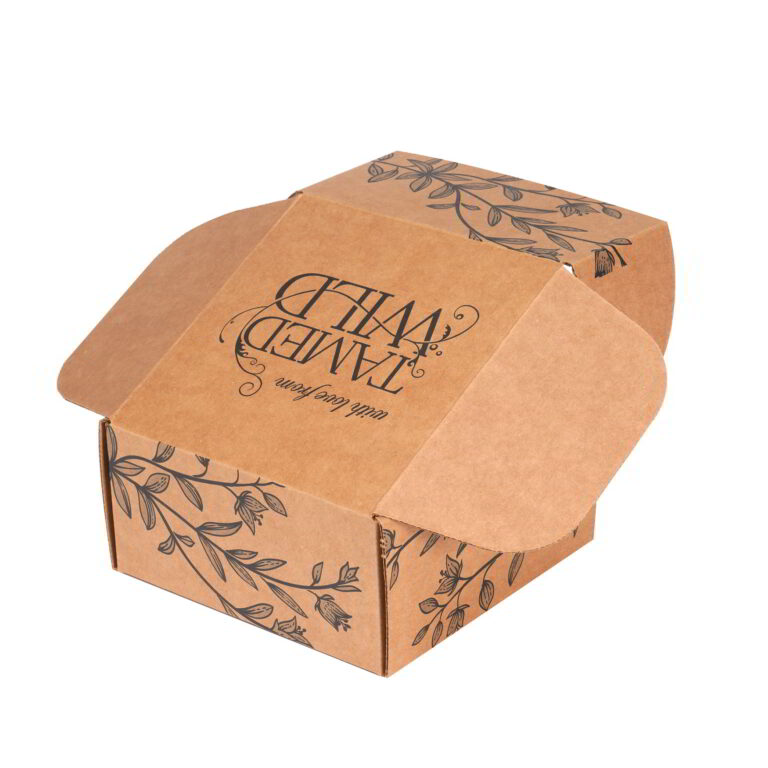
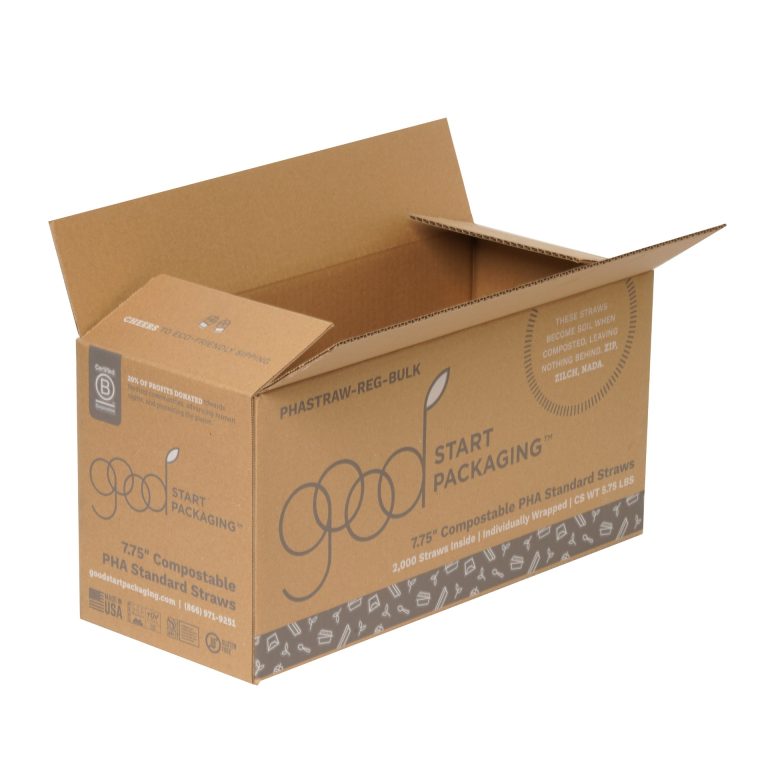
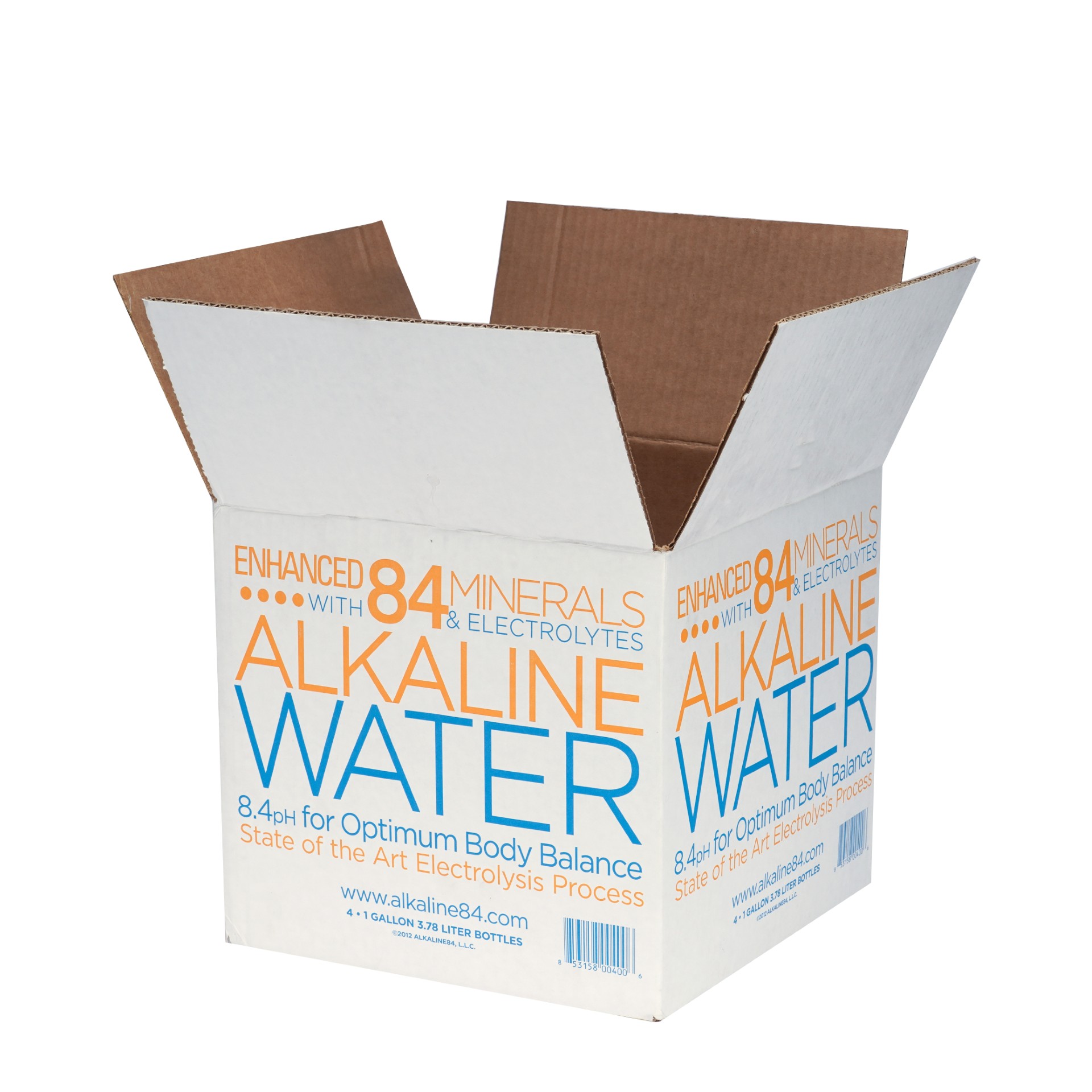
If you’ve ever received a shipping box with a logo, product details, or bold graphics printed directly on it, there’s a good chance it was made using flexographic printing, often called flexo. It’s one of the most widely used printing methods in the corrugated packaging industry—and for good reason.
Here’s a clear, no-jargon explanation of what flexo printing is and why it’s so popular for corrugated boxes.
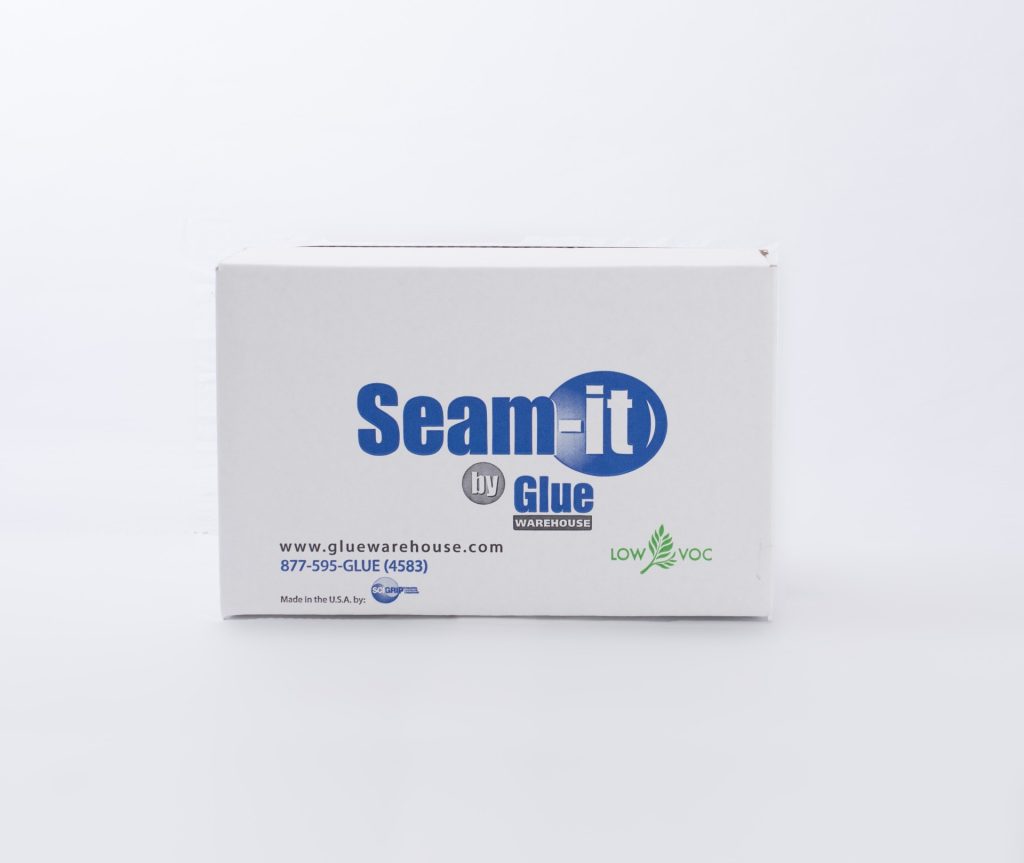
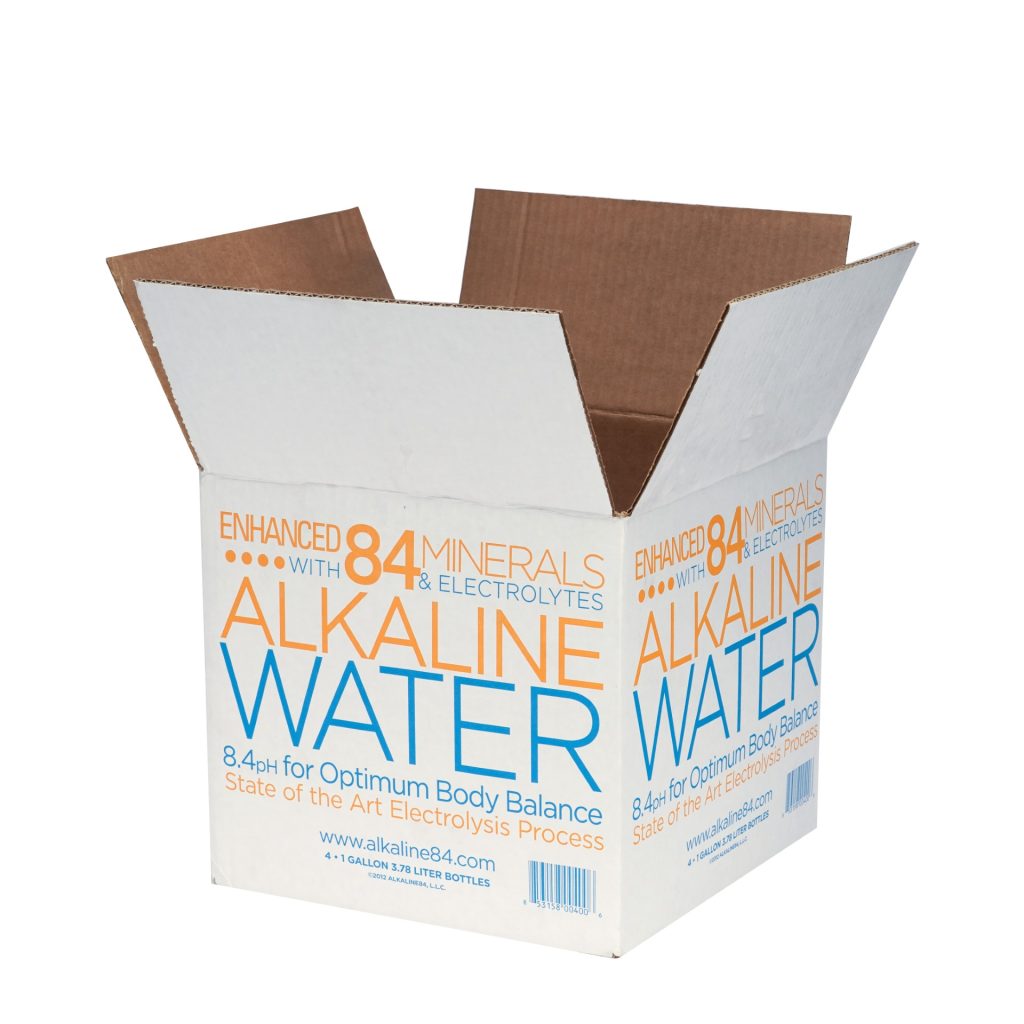
What Is Flexo Printing?
Flexo printing is a high-speed printing process that uses flexible printing plates to transfer ink onto a surface—like corrugated cardboard.
Think of it like a modern, industrial version of a stamp:
- A flexible plate is created with your design
- Ink is applied to the plate
- The plate presses the design onto the box as it moves through the press
Because the plates are flexible, they can easily print on uneven surfaces like corrugated board.
How Flexo Printing Works
The process is efficient and built for volume. Here’s a simplified breakdown:
1. Plate Creation Your design is turned into a flexible printing plate (usually made of rubber or photopolymer).
2. Ink Application Fast-drying inks (often water-based) are applied to the plate using a roller system.
3. Printing on the Board The plate rotates and presses the design onto the corrugated sheet or box.
4. Drying The ink dries quickly, allowing for fast production speeds.
This entire process happens continuously, which makes flexo ideal for large production runs.
Why Flexo Printing Is Used for Corrugated Boxes
Flexo is the go-to method in the corrugated industry because it balances speed, cost, and durability.
1. Cost-Effective for Large Runs
Once the printing plates are made, flexo becomes very economical—especially for high volumes.
2. Fast Production Speeds
Flexo presses can print thousands of boxes per hour, making it perfect for shipping and retail packaging.
3. Works Well on Corrugated Surfaces
Corrugated board isn’t perfectly smooth. Flexo plates adapt to the surface, delivering consistent results.
4. Durable and Practical
The inks used are designed to handle shipping conditions, so your branding stays visible from warehouse to doorstep.
5. Environmentally Friendly Options
Many flexo operations use water-based inks, which are more eco-friendly than some alternatives.
Flexo vs. Other Printing Methods
You might hear about other printing methods like digital or offset printing. Here’s how flexo compares:
- Flexo Printing: Best for high-volume, simple to moderately complex designs
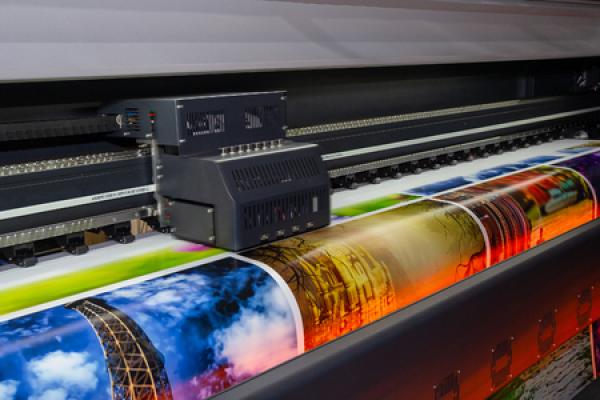
- Digital Printing: Ideal for short runs and highly detailed, full-color graphics
- Offset Printing (Litho): Great for high-quality retail packaging, often laminated onto corrugated board
- Flexo sits right in the sweet spot for most shipping and industrial packaging needs.
Common Uses of Flexo Printing
Flexo is everywhere in the packaging world. It’s commonly used for:
- Shipping boxes
- Subscription box branding
- Retail-ready packaging
- Bulk product cartons
- Food and beverage transport boxes
If a box needs to be printed quickly and cost-effectively, flexo is usually the answer.
Need Flexographic Printed Corrugated Boxes for Your Business?
Flexo printing is the backbone of corrugated packaging production. It may not always deliver photo-quality graphics, but it excels where it matters most: speed, efficiency, and reliability. For businesses shipping products at scale, it offers a practical way to add branding and information without driving up costs.
If you need flexo printed corrugated boxes or any other boxes manufactured, contact Paramount Container & Supply today for a free quote.